
Ida’s Search for a Life in Writing
The Lying Life of AdultsIda’s quiet literary ambition develops from a childhood reputation as a reader and writer into a defiant rejection of school and an intimate attempt to give exclusion a voice.
increasing Bearing strength in each event
 decreasing
Bearing strength in each eventdecreasingThe Young Writer
Reading Beyond the Group
A precocious interest
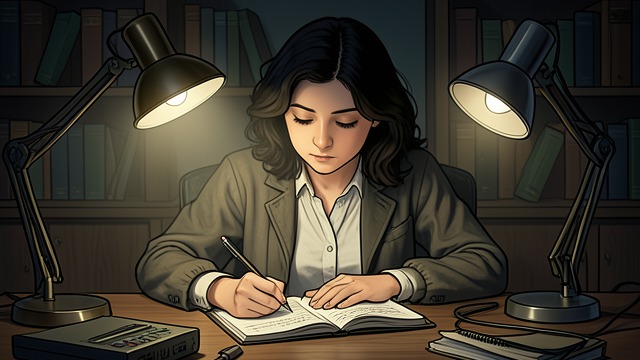
Ida is younger than Giovanna Trada and Angela, but she reads more than they do and writes poems and stories. Her literary habits make her a source of surprise within a friendship shaped by books and the intellectual expectations of their parents.
A private creative self
The girls share a broad educational culture, yet Ida’s writing marks a more individual ambition. Her poems and stories are not merely another school skill; they suggest that she is already building a private inner life through language.
For a long time, this gift sits alongside the trio’s ordinary games and confidences. It becomes more consequential only when the family crisis and school failure force Ida to decide what kind of life she wants to pursue.
School Loses Its Authority
A Different Kind of Failure
Reading instead of studying
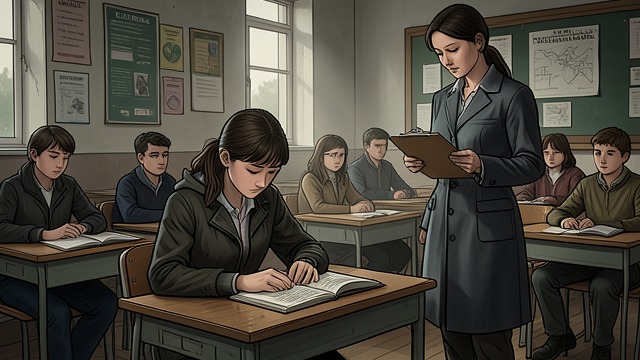
After the families’ separations, Ida is failed at school, and Mariano says that she reads and writes instead of studying. The result worries the adults, who treat the failed year as a setback requiring comfort and correction.
A refusal of shame
When Giovanna meets her, Ida says she is glad she was failed and does not feel ashamed. Unlike Giovanna, who experienced her own failure as a source of humiliation, Ida refuses to make her parents’ disappointment the measure of her worth.
The contrast reveals two ways of reacting to adult expectations. Ida is not simply indifferent to school; she is beginning to claim that writing matters more to her than performing successfully within an institution she finds oppressive.
The Wish to Be Unworthy
An Adolescent Rebellion
Rejecting the parents’ standard
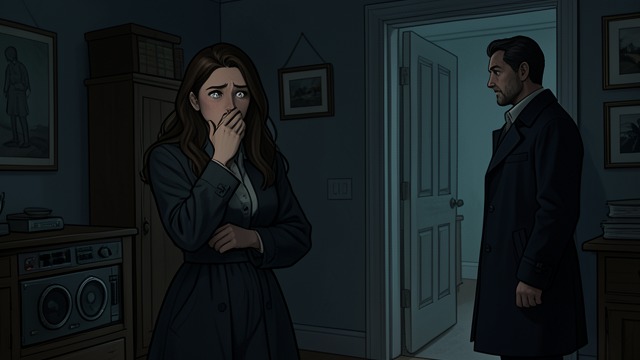
Ida tells Giovanna that she wants to be unworthy and to turn out badly, rather than earn her parents’ approval. Her defiance mirrors the family rebellion Giovanna has felt, but Ida articulates it as a deliberate refusal of inherited respectability.
Testing the boundary
Ida describes having sex with a married former gardener despite her disgust, presenting the experience as an effort to become as unworthy as possible. Her account is less a celebration of pleasure than a demonstration of how far she is willing to go against the standards that surround her.
The disclosure links writing, school refusal, and sexual experimentation as different forms of testing what adulthood might mean. Giovanna listens without treating Ida’s choices as a simple lesson, and the conversation makes their renewed friendship more candid than it was before.
The Story of Exclusion
A Fictional Girl Listens
A story read aloud
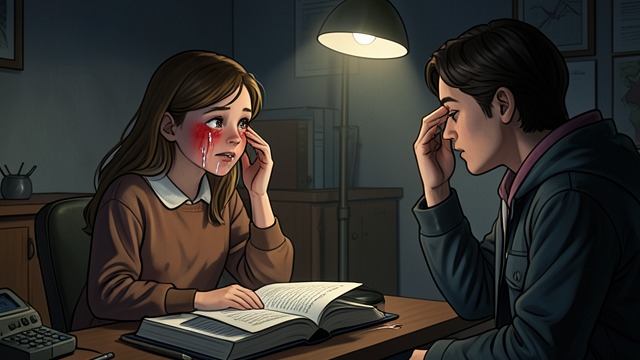
Ida reads Giovanna a short story about two sisters and their friend. The younger sister pretends to sleep so she can listen to the older girls whisper and kiss, then cries after they fall asleep because she believes nobody loves her.
A confession through fiction
Ida reads quickly and without looking up, but breaks into tears at the end. The story gives form to a fear of being left out that she has not otherwise expressed directly to Giovanna.
Giovanna dries Ida’s tears and kisses her, responding to the emotional content rather than treating the story as an exercise in writing. For a moment, Ida’s literary ambition becomes a means of asking for intimacy and receiving it.
A Journey with Giovanna
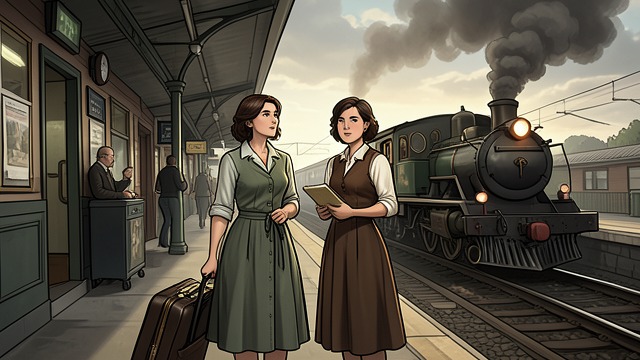
Writing Beyond School
A shared destination
After the conversation in the park, Giovanna proposes going to Venice to visit Tonino. Ida is willing to travel, though her desire is to find a place where she can feel comfortable and write rather than to pursue Tonino in particular.
A pact between friends
The trip gives the friends a concrete plan at a time when both are resisting the definitions their families and schools have supplied. They promise each other on the train to become adults as no one has before, turning the journey into a declaration of shared possibility.
Ida’s writing remains unfinished and her future unresolved, but she has stated what she wants with unusual clarity. The departure marks a step away from school as the sole measure of her ability and toward a life she hopes to make through her own words.
During the girls’ childhood friendship
After Giovanna has left the shared childhood routine
During Ida and Giovanna’s meeting in the Floridiana
Later in the same meeting at the Floridiana
On the day Giovanna and Ida depart for Venice
